
Forecasting advertising revenue has always been a balancing act.
Media organizations need to predict future performance using incomplete information, changing demand, and inventory that’s constantly in motion. When forecasting is inaccurate, the consequences ripple outward — missed revenue targets, overcommitted inventory, and reactive decision-making.
The challenge isn’t a lack of data. Most ad ops teams have plenty of it. The problem is fragmentation, latency, and context. Dashboards are often built on delayed or disconnected inputs, forcing teams to make projections based on partial truths.
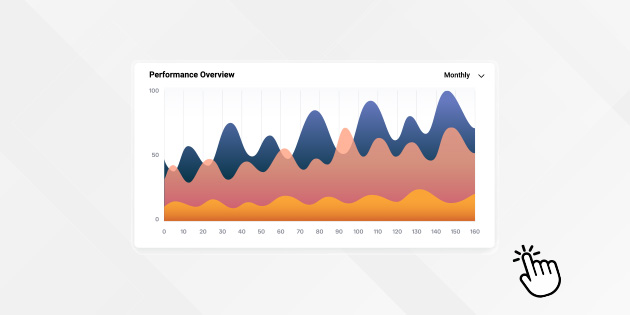
Ad Orbit addresses this problem by designing dashboards that reflect the entire advertising lifecycle — from sold inventory to delivery to billing — all in one place. The result is forecasting that’s not just faster, but meaningfully more accurate.
Why Forecasting Is So Difficult for Media Organizations
Forecasting accuracy breaks down when teams lack a single, reliable view of revenue and capacity. In traditional ad ops environments, forecasting typically depends on manual exports from multiple systems:
- Sales data from a CRM
- Delivery data from ad servers
- Billing data from finance systems
- Inventory availability from spreadsheets or static reports
Each of these sources may be correct in isolation, but when they are combined manually, timing gaps and inconsistencies emerge. By the time leadership reviews a forecast, it may already be outdated.
Common forecasting challenges include:
- Inventory reports that don’t reflect recent bookings or changes
- Revenue projections that ignore pacing or underdelivery
- Separate forecasts for direct, programmatic, and legacy products
- Limited visibility into what is sold, scheduled, and still available
Accurate forecasting requires more than historical averages — it requires real-time operational context.
Dashboards as the Foundation for Better Forecasting
Dashboards are often treated as reporting tools, but in effective media organizations, they function as decision-making systems. A well-designed dashboard doesn’t just show what happened — it shows what’s likely to happen next, based on live inputs.
Ad Orbit’s dashboards are built directly on top of its order management, inventory, delivery, and billing workflows. This matters because forecasting accuracy improves when the system displaying the data is the same system executing the work.
Instead of aggregating snapshots from different tools, Ad Orbit dashboards reflect:
- Pre – Sales opportunities lined up with delivery schedules
- Orders as they are booked
- Inventory as it is reserved or released
- Campaigns as they pace toward delivery
- Revenue as it moves toward billing
This real-time connection between operations and reporting is what enables more dependable forecasts.
A Unified View of Sold, Scheduled, and Available Inventory
One of the most common forecasting blind spots is inventory status. Many forecasts assume that sold inventory will deliver as planned and that unsold inventory remains static. In reality, inventory availability is constantly changing.
Ad Orbit’s dashboards surface inventory in context, showing how much capacity is:
- Already sold
- Scheduled for future delivery
- Still available to sell
Because inventory updates in real time as orders are created or modified, forecasts are grounded in current reality rather than assumptions. This allows teams to:
- Identify future inventory constraints earlier
- Spot underutilized capacity before it’s too late to sell
- Adjust sales strategies based on real availability
Forecasts built on live inventory data are inherently more reliable.
Connecting Sales Activity to Revenue Projections
Forecasting often fails when sales activity and revenue projections live in separate worlds. A pipeline might look strong on paper, while booked revenue tells a different story.
Ad Orbit dashboards close this gap by tying forecasting directly to booked orders and scheduled delivery. Instead of projecting revenue solely from pipeline estimates, teams can forecast using:
- Confirmed orders
- Contracted revenue by date range
- Campaign schedules and flight dates
This helps organizations distinguish between:
- Revenue that is possible
- Revenue that is likely
- Revenue that is already committed
By anchoring forecasts in booked and scheduled activity, teams gain a clearer picture of what will actually materialize.
Forecasting Across Products and Channels
Modern media organizations rarely sell a single type of advertising product. Forecasts must account for a mix of:
- Digital display
- Email and newsletter sponsorships
- Broadcast
- Programmatic campaigns
In many systems, these products are forecasted separately, making it difficult to understand total revenue exposure or capacity.
Ad Orbit dashboards support forecasting across multiple product types within a single platform. This unified view allows leadership to:
- See total projected revenue across channels
- Compare performance by product line
- Balance sales focus based on inventory and demand
Forecasting improves when all revenue streams are visible together instead of siloed.
Reducing Manual Adjustments and Human Error
Manual forecasting processes almost always involve adjustments — exporting data, cleaning it up, applying formulas, and reconciling discrepancies. Each step introduces the potential for error.
Because Ad Orbit dashboards are built directly on live operational data, they reduce the need for manual manipulation. Forecasts update automatically as:
- Orders are added or changed
- Inventory is booked or released
- Campaign delivery progresses
- Billing milestones are reached
This automation doesn’t remove human judgment — it ensures that judgment is applied to accurate, current data.
Better Forecasts Lead to Better Decisions
Forecasting accuracy is not just a reporting concern — it shapes strategic decisions across the organization. When forecasts are reliable, teams can:
- Set realistic revenue targets
- Allocate sales resources more effectively
- Adjust pricing or packaging based on demand
- Plan staffing and operations with confidence
Ad Orbit’s dashboards enable these outcomes by ensuring forecasts are grounded in the same system that runs day-to-day ad operations.
Final Thoughts
Forecasting will always involve uncertainty, but much of the inaccuracy that plagues ad ops today comes from disconnected systems and delayed visibility. Dashboards that rely on static data can’t keep up with the pace of modern advertising.
By unifying sales, inventory, delivery, and billing data into real-time dashboards, Ad Orbit improves forecasting accuracy at its source. The result is not just better projections — it’s a clearer understanding of where revenue stands today and where it’s headed tomorrow.